Stimming, Touch, and the Stories Our Brains Tell
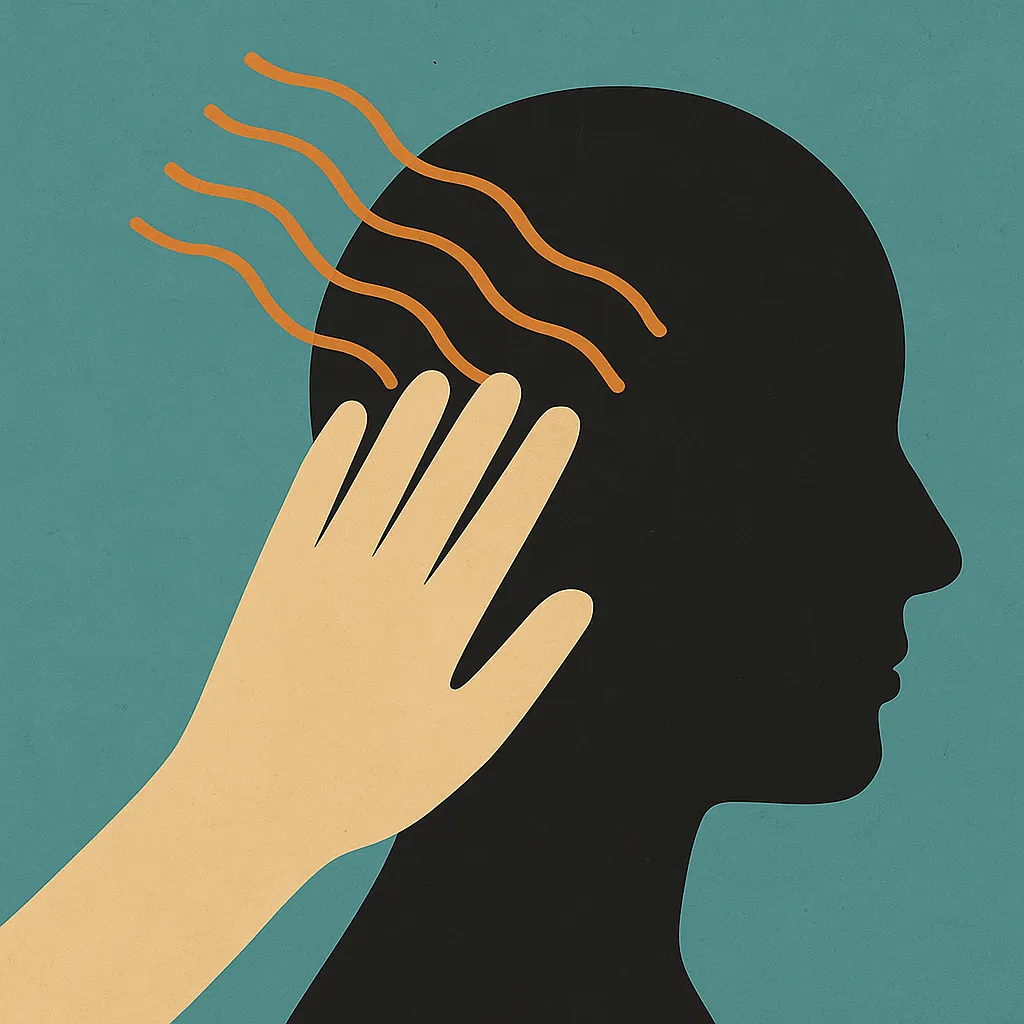
A new study from the University of Rochester asks a surprisingly simple question with deeply important implications: How does the autistic brain process touch?
The answer, as always, is more complex than it first appears. But here’s what they found: in autistic adults, the brain doesn’t differentiate much between active and passive touch. That means that even when an autistic person initiates a touch—something their brain “should” expect—the sensory input still hits with full intensity.
For non-autistic adults, the difference is clear. When they touch something intentionally, their brains register less sensory response. The prediction calms the input. Not so for autistic participants.
What This Means for Stimming
This may help explain why stimming—repetitive movement, touch, or sound—is so common in autism. If every sensation arrives with full force, then repetitive motion might not be “random” or “meaningless” at all. It might be a form of regulation: a way to gain control over a sensory world that doesn't dull with prediction.
This study doesn’t pathologize that. It frames it. It asks: what if the behavior isn’t broken, but the lens is?
Why This Study Matters
- It uses VR and EEG to measure real-time neural responses to controlled stimuli—bringing precision without sacrificing humanity.
- It examines sensory expectation, not just sensory input. That distinction changes everything.
- It opens new doors for understanding self-injurious behavior without moral panic. If sensory input is overwhelming, then finding safe ways to modulate it isn’t optional. It’s survival.
What's Missing
The study doesn’t mention whether autistic individuals helped shape the research questions. It should have. But its design still suggests a shift: from looking at autistic people to investigating with the complexity of their sensory world in mind.
Our Brains Tell Stories
Brains are always predicting. They're narrating what's about to happen, and adjusting accordingly. But when that prediction system functions differently, it changes everything—not just how we feel, but how others interpret our reactions.
We’ve long been told that autistic behavior is irrational. This study asks us to look again. Maybe it’s not irrational. Maybe it’s a rational response to a world that won’t quiet down.