Science, Power and the Myth of Neutrality
 Not “Anti-Science,” Just “Anti-Control”
Every time autistic people question how science studies us, we get called ideologues. The word lands with a thud: conversation over. It sounds rational — as if neutrality has just been restored — but what it really does is try to reassert control. The scientist stays "objective." The autistic critic becomes "emotional, political, unqualified." That divide isn’t truth; it’s hierarchy.
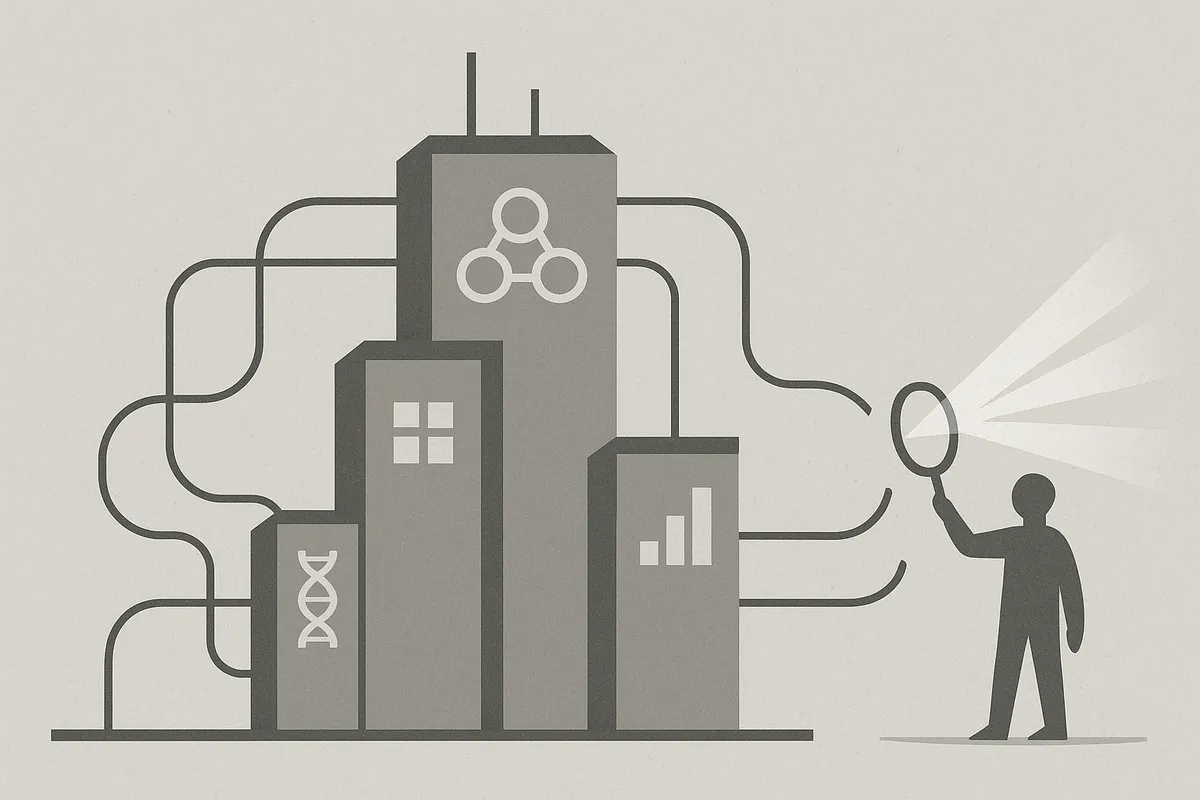
Science likes to imagine itself outside of ideology, yet every dataset begins with a choice. Someone decides what to count, what to exclude, and what to call progress. Someone designs the questions that later get mistaken for facts. They’re structural decisions. But when autistic people point them out, we’re told we don’t understand how research works. In reality, we understand all too well — we live inside its outcomes.
The "neutrality" stance has always been the most successful story science tells about itself. It reassures funders, comforts policymakers and grants authority to those already inside the system. But a study is never neutral when the subject is about autistic people but lacks autistic collaboration. It privileges the view from above — the clinician, the researcher, the institution — and calls that view objective. From below, it feels like being catalogued without consent. The experiment doesn’t stop when the paper ends; it keeps unfolding in how policies treat us, how clinicians interpret us, how families are taught to manage us.
Here’s the turn: the neutrality claim isn’t protection from politics; it is politics. When someone calls our critique ideological, they aren’t trying to protect science from bias. They’re trying to protect themselves from accountability. It’s a way of saying: your critiques threaten our infrastructure. But critiques aren't necessarily ideology; sometimes they are the ground rules that keep power from devouring truth. A method can be rigorous and still be shaped by bias. A dataset can be large and still be blind.
The opposite of ideology is not neutrality. It’s accountability. The mark of healthy science isn’t that it feels untouchable; it’s that it can survive being questioned. Fields that resist critique aren’t objective — they’re orthodox. Calling autistic inquiry “anti-science” confuses dissent with heresy.
Every major shift in scientific ethics began with someone being accused of ideology: whistleblowers in labs, community health advocates, survivors of experiments who refused silence. They weren’t against science; they were against the idea that knowledge requires obedience. Their refusal is the reason we have ethics boards at all.
When autistic people ask who holds the data, who defines improvement or who profits from consent, we’re not attacking science. We’re extending it — adding the variable it forgot: power. Objectivity without power analysis isn’t objectivity; it’s comfort. And comfort is how harm hides within the systems that protect it.
So if defending consent, autonomy and community governance is ideological, then ideology is just another word for ethics. If asking for transparency about who benefits from our data is political, then maybe politics is just another word for care.
Autistic people aren’t rejecting science. We’re reminding scientists about its purpose: understanding without ownership. Inquiry without extraction. Progress that doesn’t require surveillance.
That isn’t anti-science.
It’s science remembering its own conscience. And any institutionalist who rejects ethics by calling it activism is trying to sidestep accountability.